
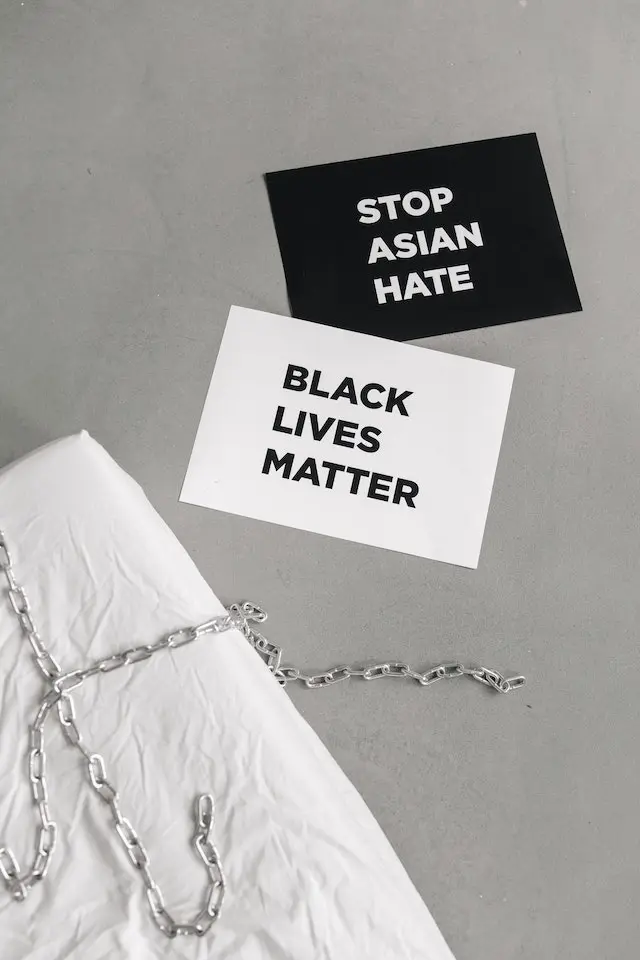
In a world where unity and equality should be the norm, it’s disheartening to see racial discrimination in Tampa, FL, still deeply entrenched in our society. This pervasive issue affects millions worldwide, infringing on their basic human rights and causing severe emotional distress. So what is racial discrimination, exactly? More importantly, how can we combat this social malady to create a harmoniously diverse planet? Grab a seat and prepare for an informative journey through the grim labyrinth of racism; understanding its roots, recognizing its destructive forms, and discovering impactful measures to counteract its toxic influence. Let’s take an affirmative step towards a world devoid of prejudice right now!
Understanding Racial Discrimination
Racial discrimination is a pervasive issue that continues to plague societies around the world. It refers to the unjust and differential treatment of individuals based on their race, ethnicity, or characteristics associated with their racial background. This form of discrimination takes many forms and can occur in various aspects of life, including education, employment, housing, and access to public services.
Racial discrimination can manifest both overtly and covertly. Overt forms include explicit acts of prejudice and bias, such as racial slurs, hate crimes, or segregation. These acts are often fueled by deep-seated racial prejudices and perpetuate divisions within society. Covert forms of racial discrimination are more subtle and may involve systemic barriers or unconscious biases that disadvantage certain racial or ethnic groups without explicit intent.
Racial discrimination can have detrimental effects on individuals and communities. It restricts opportunities for marginalized groups by limiting their access to education, employment, and social resources. This perpetuates cycles of inequality and hinders societal progress as talent and potential go untapped due to discriminatory practices.
Consider the case of a highly qualified job applicant who is consistently overlooked for promotions or denied employment opportunities solely because of their race. Despite possessing the necessary skills and qualifications, they face barriers that prevent them from advancing in their careers solely due to their racial background. This example highlights how racial discrimination denies equal opportunities for individuals based on factors beyond their control.
Understanding racial discrimination requires acknowledging its existence, examining individual biases and privileges, and working towards creating an inclusive society that upholds equality for all races and ethnicities. Let’s now delve into specific examples and types of racial discrimination to gain a deeper understanding.
Examples and Types of Racial Discrimination
Racial discrimination encompasses a range of behaviors, attitudes, and policies that unfairly target individuals or groups based on their race or ethnicity. To fully comprehend the extent of this issue, it is crucial to explore several examples and types of racial discrimination:
Direct Discrimination: This occurs when an individual is treated less favorably than others due to their race. For instance, if a qualified candidate is denied admission to a university solely because of their racial background, it constitutes direct racial discrimination.
Indirect Discrimination: This type of discrimination arises when an apparently neutral policy or practice puts individuals from certain racial backgrounds at a disadvantage. For example, if a workplace enforces strict grooming policies that disproportionately impact hairstyles associated with certain races, it could be considered indirect racial discrimination.
Systemic Discrimination: Systemic discrimination refers to patterns of unequal treatment deeply embedded in social, economic, and political systems. These systemic biases contribute to ongoing disparities and perpetuate structural racism. An example would be the disproportionately high rates of African Americans being targeted by law enforcement compared to other racial groups, even when controlling for factors like crime rates.
Microaggressions: Microaggressions are subtle and often unintentional actions or comments that communicate derogatory messages or reinforce stereotypes about someone’s race or ethnicity. They can include racial slurs, backhanded compliments, or inappropriate jokes that perpetuate harmful stereotypes.
These are just a few examples of the numerous ways in which racial discrimination can manifest. By understanding these different forms of discrimination, we can develop strategies to combat them effectively and promote inclusivity and equity.
Legal Protections and Discrimination Prohibitions
In the fight against racial discrimination, legal protections and discrimination prohibitions play a crucial role in ensuring equality and fairness. Various laws and regulations have been enacted to safeguard individuals from being unfairly treated based on their race or ethnicity. One such example is the Civil Rights Act of 1964 in the United States, which prohibits discrimination based on race, color, religion, sex, or national origin in public accommodations, employment, and educational institutions.
These legal protections provide a framework that holds individuals, organizations, and institutions accountable for their actions, ensuring that discriminatory practices are addressed. They serve as a powerful tool for victims of racial discrimination to seek justice and demand equal treatment.
It is important to be aware of the specific laws and regulations pertaining to racial discrimination in your country or region. Understanding these legal protections can help individuals better navigate issues related to racial discrimination and take appropriate action when faced with unlawful acts.
How to Recognize Unlawful Acts
Recognizing unlawful acts of racial discrimination can empower individuals to address the issue effectively. While each situation may vary, certain common signs can signal discriminatory behavior:
- Unequal Treatment: If individuals from specific racial or ethnic backgrounds consistently receive different treatment compared to others in similar situations.
- Harassment: Verbal or physical actions targeting someone based on their race, creating a hostile or intimidating environment.
- Prejudiced Assumptions: Making assumptions or stereotypes about an individual’s abilities, intelligence, or character solely based on their race.
- Exclusionary Practices: Systematically excluding certain racial groups from opportunities or resources without justifiable reasons.
- Retaliation: Facing adverse consequences for speaking out against racial discrimination or participating in efforts to combat it.
These examples provide insight into typical behaviors associated with racial discrimination. However, it’s essential to remember that each situation is unique and that additional factors may be at play. Consulting legal experts or professionals familiar with racial discrimination cases can help in accurately assessing specific circumstances.
It’s worth noting that discriminatory acts are not always overt or easily identifiable. Subtle forms of discrimination, such as microaggressions or unconscious biases, can also have a profound impact on individuals. Awareness and education play a vital role in recognizing and addressing these more subtle forms of discrimination.
As we deepen our understanding of the impact of racial discrimination, let’s now explore its effects on individuals and society as a whole.
Effects of Racial Discrimination on Individuals and Society
Racial discrimination has deep and lasting effects on both individuals and society, permeating various aspects of life. For individuals who experience racial discrimination, it can have profound psychological, emotional, and physical impacts, leading to feelings of alienation, low self-esteem, depression, and anxiety. The constant burden of facing prejudice and injustice can erode one’s sense of identity and belonging.
Consider the story of Sarah, a highly skilled professional who consistently faces barriers in her career progression solely based on her race. Despite her qualifications and abilities, she is repeatedly passed over for promotions or opportunities that are given to less qualified colleagues from dominant racial groups. Over time, Sarah’s confidence wanes, and she begins to doubt her own worthiness and capabilities. This type of systemic discrimination not only affects individuals like Sarah but also perpetuates social inequalities that hinder progress at large.
On a societal level, racial discrimination undermines the principles of equality, justice, and fairness. It creates divisions among communities, cultivates tension and hostility across racial lines, and reinforces harmful stereotypes. When marginalized groups face barriers in accessing education, employment, healthcare, housing, or other resources due to their race or ethnicity, it perpetuates structural inequalities that lead to disparities in wealth accumulation, health outcomes, and overall well-being.
Furthermore, racial discrimination restricts talent and innovation as it limits opportunities for diverse voices to be heard and valued. It prevents societies from realizing their full potential by stifling contributions from individuals who could bring fresh perspectives and ideas to the table.
It is important to recognize that the effects of racial discrimination are not limited to those directly impacted but reverberate throughout society. When any group faces unfair treatment based solely on their race or ethnicity, it weakens the social fabric as a whole.
How to Combat Racial Discrimination
Now that we understand the profound effects of racial discrimination, it becomes imperative to actively combat this pervasive issue. Combating racial discrimination requires a multifaceted approach that involves individuals, communities, institutions, and policymakers coming together to drive systemic change.
First and foremost, education and awareness play a crucial role in combating racial discrimination. By educating ourselves about the historical roots of racism, the experiences of marginalized communities, and the harmful impact of discriminatory practices, we can better understand the complexities of the issue. Education helps challenge stereotypes and biases, foster empathy, and promote inclusivity.
Let’s take the example of a school implementing a comprehensive curriculum that includes diverse perspectives and histories. This approach not only provides students with a more accurate understanding of the world but also nurtures their ability to empathize with others and reject discriminatory attitudes. Such initiatives lay the foundation for future generations to become agents of change.
Alongside education, addressing systemic inequalities through policy changes is vital. Governments and institutions must implement anti-discrimination laws, strengthen equal opportunity measures, and promote diversity and inclusion in all spheres, from employment to housing to healthcare. By actively dismantling structural barriers that perpetuate racial disparities, we can create a more equitable society for everyone.
In addition to these broader efforts, individual actions hold significant power in combating racial discrimination. We can challenge our own biases by examining our beliefs and assumptions, actively seeking out diverse perspectives, and engaging in open conversations about race. It is important to listen to the experiences of marginalized communities without invalidating or dismissing their reality.
Combating racial discrimination is an ongoing process that requires commitment and sustained effort from all members of society. Through education, policy changes, and individual actions, we can work towards creating a more inclusive world where every individual is treated with dignity and respect.
Related Article: Types of Racial Discrimination
Resources and Methods for Change
In the fight against racial discrimination, it is essential to equip ourselves with the right resources and methods that can bring about meaningful change. Here, we will explore some key avenues to consider, both at an individual level and within broader communities.
Education is a powerful tool when it comes to combating racial discrimination. Take the time to educate yourself about different cultures, histories, and experiences. Engage in reading books by diverse authors, attending workshops and seminars, or enrolling in courses focused on topics such as anti-racism, diversity, and inclusion. Expand your knowledge not only of historical events but also of contemporary issues related to racial discrimination.
Additionally, it is vital to actively listen to and empathize with those affected by racism. Seek out authentic voices from marginalized communities through podcasts or TED Talks where people share their lived experiences. Engaging with diverse perspectives can broaden your understanding and challenge any preconceived notions or biases.
Furthermore, participating in grassroots organizations and community initiatives dedicated to promoting equality can be instrumental in driving change at a local level. Volunteering your time or skills towards causes aimed at addressing racial discrimination allows you to contribute directly to necessary initiatives.
Participating in these efforts is akin to joining forces with fellow travelers on a collective journey towards a more equitable and inclusive society; each small step taken collectively adds up to significant progress.
Activism can take many forms, ranging from organizing protests or rallies against racial injustice to supporting campaigns advocating for policy changes. By raising awareness about systemic racism through peaceful demonstrations, social media movements, or artistic expressions, individuals can amplify the voices of marginalized communities and create a sense of unity and solidarity.
However, it is also important to recognize that not everyone will engage in activism in the same way. Some may prefer behind-the-scenes work, such as lobbying for legislation or supporting organizations that promote diversity and inclusion. The key is to find the method that resonates with you personally and allows you to make a positive impact within your capacity.
In addition to individual efforts, collective action can be immensely powerful in combating racial discrimination in Tampa, FL. Joining or supporting organizations dedicated to fighting racism, such as civil rights groups, grassroots initiatives, or advocacy organizations, can provide opportunities for collaboration and scale-up the impact of your work. Being part of a collective allows for shared resources, expertise pooling, and increased visibility.
Know Your Rights: Learn About Racial Discrimination Today
At J.P. Ward & Associates, we firmly believe in promoting awareness and understanding of racial discrimination to foster a more inclusive society. Knowledge is a powerful tool for combating prejudice and injustice.
Contact us today to learn more about our commitment to education and advocacy against racial discrimination in Tampa, FL. By reaching out, you’ll be taking the first step in joining us on this journey of learning and growth, as together we strive to create a world free from racial discrimination.
Let’s stand united and build a brighter future for all.