
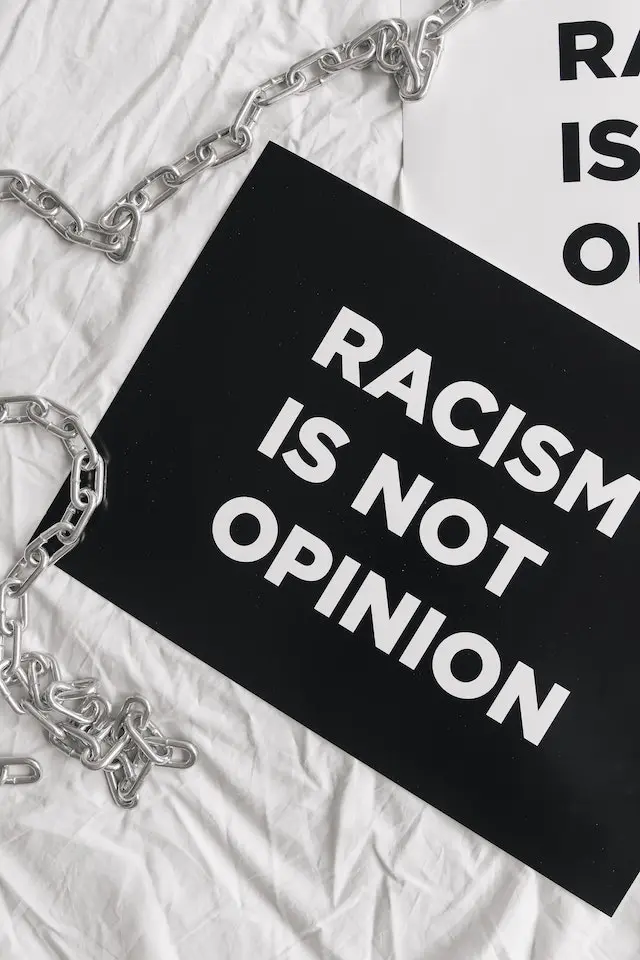
Race, a simple biological trait that has been twisted into a complex social construct, is often the root of undeserved prejudice and bias. This blog post dives deep into the labyrinth of racial discrimination, illuminating the different types it can take in our modern society. By deciphering coded language to unveil damaging stereotypes, we will explore those poisonous arrows flung daily that tarnish our shared pursuit for equality. Get ready to surpass surface-level understanding and delve into the bitter realities of racial discrimination we must confront to champion an inclusive future.
Overview of Racial Discrimination
Racial discrimination is a complex issue that has plagued societies for centuries. It refers to the unfair treatment, prejudice, or bias directed towards individuals or groups based on their race or ethnicity. This discriminatory behavior can manifest in various forms and can occur overtly or subtly. Regardless of its manifestation, racial discrimination has profound effects on individuals and communities, perpetuating inequality and hindering social progress. Understanding the different types of racial discrimination is crucial in order to address this systemic problem effectively.
Racial discrimination can take on overt forms, which are more explicit and easily identifiable. Overt racial bias occurs when individuals or institutions display direct acts of prejudice and differential treatment based on race. For example, someone being refused a job or an apartment solely because of their race would be a clear case of overt racial bias. These explicit acts of discrimination leave little room for interpretation, as they are based on evident prejudice and bias.
Imagine a situation where two equally qualified candidates apply for the same job position. One candidate is selected simply because they belong to a certain racial group, while the other candidate, despite having better qualifications, is turned down due to their different racial backgrounds. This blatant preference based on race demonstrates how overt racial bias can directly impact opportunities for individuals and perpetuate inequality in various aspects of life.
While overt racial bias is more easily recognizable, subtle forms of racial discrimination can be just as harmful, if not more so. Unlike overt bias, subtle racial bias operates in more covert ways and may be harder to detect and address. It often involves unequal treatment based on race without explicitly stating discriminatory intentions. Subtle biases can manifest through stereotypes, microaggressions, implicit biases, and institutional practices that disadvantage certain racial or ethnic groups.
To address racial discrimination comprehensively, it is important to recognize and understand both overt and subtle forms of bias. By doing so, individuals, communities, and institutions can work together to create a more inclusive and equitable society.
Overt Racial Bias
Overt racial bias refers to openly discriminatory acts or practices that lead to unequal treatment based on race or ethnicity. These acts are characterized by their explicitness and directness in targeting individuals or groups solely because of their race. Overt racial bias often stems from prejudiced beliefs and stereotypes held by individuals or embedded within societal structures.
In many instances, overt racial bias results in discriminatory practices that hinder equal opportunities for marginalized groups. This can be observed in various areas such as employment, housing, education, or the criminal justice system. For example, a landlord refusing to rent an apartment to someone based on their race or ethnic background is a clear example of overt racial bias in housing.
Another example of overt racial bias is the denial of job opportunities based on race. Imagine a highly qualified candidate being passed over for promotion solely because they belong to a particular racial group. In this case, the act of denying advancement based on race directly reinforces inequality within the workplace.
It’s important to note that overt racial bias not only affects individuals on an interpersonal level but also has broader implications for society as a whole. When discriminatory practices become deeply rooted in institutions or systems, they contribute to structural racism and perpetuate inequalities across multiple generations.
While overt racial bias is more easily identifiable due to its explicit nature, it is crucial to acknowledge that subtle forms of racial discrimination can be just as detrimental. In the following section, we will explore the nuances of subtle racial bias and how it influences unequal treatment.
Subtle Racial Bias
Racial discrimination takes on many forms, both overt and subtle. While overt racism is easier to identify and condemn, subtle racial bias operates in more covert ways, often going unnoticed or dismissed. These subtle biases are deeply ingrained in society’s fabric and can manifest in various contexts, such as education, healthcare, criminal justice, and interpersonal interactions.
Subtle racial bias can be seen in everyday situations where individuals of different races may be treated differently due to stereotypes or preconceived notions. For example, a store employee might shadow a customer of color while assuming they are more likely to engage in theft, even if there is no evidence to support this assumption. This type of bias can make individuals from marginalized communities feel unwelcome and constantly under scrutiny.
Subtle racial bias also permeates institutional structures and policies. For instance, standardized testing in education might inadvertently favor certain racial or ethnic groups due to cultural biases inherent in the questions or scoring methods. This can perpetuate disparities in access to quality education and limit opportunities for students from marginalized backgrounds.
Recognizing and addressing subtle racial bias requires introspection and a willingness to confront our own implicit biases. It involves cultivating empathy and actively challenging the stereotypes we have internalized. Education plays a pivotal role in fostering awareness and promoting dialogue around these issues, so we can collectively work towards dismantling systems that perpetuate inequality.
Racial Discrimination in Various Sectors
Racial discrimination extends its reach across various sectors of society, with profound consequences for individuals affected by it. Two sectors where racial discrimination is particularly prevalent and impactful are employment and housing.
In the realm of employment, racial discrimination can manifest in multiple ways. Individuals from marginalized racial or ethnic groups may face barriers during the hiring process through biased screening, discriminatory interview questions, or unequal treatment in promotion opportunities. Unequal pay is also a persistent issue, with racial disparities affecting income levels and career trajectories. These discriminatory practices not only deny individuals equal opportunities but also perpetuate systemic inequality on a larger scale.
Similarly, housing discrimination continues to be pervasive, denying individuals fair access to safe and affordable living conditions. Discrimination could occur when landlords refuse to rent or sell property based on an individual’s race or ethnicity, intentionally segregating communities and limiting housing options for marginalized groups. Such practices undermine social cohesion and further exacerbate existing disparities.
Addressing racial discrimination in these sectors requires concerted efforts from both individuals and institutions. Employers must implement equitable hiring practices, diverse workplaces, and fair pay structures that help level the playing field. Housing policies need to promote equal access to housing opportunities while combating discriminatory practices through legal frameworks.
Employment and Housing
Racial discrimination can have a significant impact on employment opportunities and housing access for marginalized communities. It manifests in various ways, both overt and subtle, leading to unequal treatment and barriers to economic stability. Let’s delve into the specific challenges faced in these domains.
In terms of employment, racial discrimination can hinder career advancement and perpetuate wage gaps. People from racial minority groups often face biases during hiring processes, receiving lower job offers or being denied employment altogether. Once employed, they may encounter limited opportunities for growth and promotion due to prejudices and stereotypes. These discriminatory practices not only undermine an individual’s potential but also perpetuate inequality in the workforce.
Consider the case of Sarah, an African American woman with an exemplary educational background and professional experience. Despite her qualifications, she faced countless rejections during job interviews, which she suspected were due to racial biases. With each rejection, her confidence waned, leading to emotional distress and financial strain.
Similar disparities arise in the housing sector. Racial discrimination affects rental agreements, home purchases, and access to loans necessary for housing stability. Minority groups often encounter biased practices such as landlord refusal based on race or discriminatory lending policies that deny them fair housing opportunities. This exclusionary behavior contributes to segregation and exacerbates existing wealth disparities.
Now that we’ve explored the impact of racial discrimination on employment and housing, let’s shift our focus to another critical area: health care and education.
Health Care and Education
Racial discrimination significantly affects access to quality health care services and education for marginalized communities. Disparities due to systemic racism lead to unequal health outcomes and hinder educational opportunities for people of color.
Let’s consider the case of Jamal, a Hispanic teenager living in a low-income neighborhood. Due to limited resources in his community, he attends a predominantly underfunded school where the curriculum lacks essential resources and enrichment programs. As a result, Jamal’s educational opportunities are limited, hindering his chances of pursuing higher education and achieving future success.
Access to quality health care is essential for overall well-being. However, racial discrimination can lead to unequal treatment and disparities in health outcomes. Minority groups often face barriers such as limited access to health insurance, provider biases, and higher rates of medical neglect or mistreatment. These systemic issues contribute to increased mortality rates, higher incidences of chronic diseases, and poorer overall health among marginalized communities.
Imagine a neighborhood where residents lack access to local grocery stores that offer fresh produce and nutritious options. This scarcity disproportionately affects lower-income communities, leading to a higher prevalence of diet-related health problems like obesity and diabetes. These negative health outcomes can be attributed to inequalities amplified by racial discrimination.
Through understanding the impact of racial discrimination on employment, housing, health care, and education, it becomes evident that these disparities have long-lasting consequences. Let’s explore these repercussions further.
Consequences of Racial Discrimination
Racial discrimination is not just a social injustice; it also has far-reaching consequences that extend into various aspects of individuals’ lives. Let’s explore some of the primary consequences of racial discrimination.
First and foremost, racial discrimination can have a significant impact on an individual’s education and employment opportunities. Despite their abilities and qualifications, marginalized groups may face barriers when pursuing higher education and career advancements due to biased hiring practices or limited access to quality education. This results in diminished chances for economic prosperity and social mobility.
Furthermore, racial discrimination can erode one’s sense of self-worth and belonging. Constant exposure to discriminatory experiences can lead to feelings of inferiority, self-doubt, and internalized racism. These emotional burdens can take a toll on mental health, contributing to increased rates of depression, anxiety, and other psychological disorders.
For instance, imagine a student who consistently experiences racial stereotyping and bias in academic settings. This repeated exposure to discrimination can cause them to doubt their abilities or feel unwelcome in educational environments, potentially leading to decreased motivation and academic achievement.
Racial discrimination also affects individuals’ physical health. Research has shown that experiences of racial discrimination are associated with higher levels of stress hormones like cortisol in the body. Chronic stress triggered by discriminatory encounters can contribute to the development of various health conditions such as hypertension, diabetes, obesity, and cardiovascular disease.
Moreover, racial discrimination influences community well-being and social cohesion. When certain groups experience discrimination or exclusion based on their race or ethnicity, it hinders the formation of diverse and inclusive communities. This divide not only perpetuates inequality but also impairs societal progress and unity.
Now that we understand the consequences of racial discrimination in general terms, let’s delve deeper into its physical and mental health impacts.
Physical and Mental Health Impacts
The detrimental effects of racial discrimination on physical and mental health are substantial and well-documented. Studies have consistently shown that experiences of racial discrimination are linked to a range of health issues in both the physiological and psychological realms.
For instance, Black Americans are about twice as likely as White Americans to develop dementia, potentially attributable to the cumulative effects of racial discrimination throughout their lives.
On a psychological level, racial discrimination is associated with increased rates of mental health problems such as depression, anxiety, substance use disorders, and post-traumatic stress disorder (PTSD). Discrimination can create chronic stressors that affect brain functioning, leading to altered emotional regulation and cognitive impairments.
Additionally, racial discrimination can impact the body’s stress response systems. When faced with discriminatory encounters, individuals may experience heightened vigilance and rumination over these experiences. This heightened awareness can lead to increased levels of perceived threat and a state of hypervigilance, which further contributes to elevated stress levels.
Racial discrimination also has implications for physical health outcomes. Chronic racial stress contributes to wear-and-tear on the body over time, resulting in various health conditions such as metabolic problems, cardiovascular diseases, and compromised immune function. Scientific studies have demonstrated correlations between racial discrimination and systemic inflammation in the gut and microbiome.
Think of it like a steady drip of water eroding a stone over time—each discriminatory encounter chips away at an individual’s physical and mental well-being until the cumulative effect becomes apparent.
Understanding the profound impact of racial discrimination on both physical and mental health highlights the urgency of addressing systemic racism and promoting equity in society.
Counteracting Racial Discrimination
Racial discrimination is an insidious and deeply rooted issue that persists in various forms, impacting individuals and communities at multiple levels. To counteract racial discrimination effectively, it is crucial to understand its different types and manifestations. Only through this understanding can we develop comprehensive strategies and remedies that promote equity and dismantle discriminatory systems.
Racial discrimination can manifest in several ways, including explicit acts of prejudice, implicit biases, systemic inequities, and institutional racism. Explicit acts of discrimination are intentionally discriminatory actions or behaviors based on race or ethnicity. These may include racial slurs, hate crimes, or segregation practices. Implicit biases, on the other hand, refer to unconscious attitudes or stereotypes that affect our perceptions and decisions about others. These biases can contribute to discriminatory treatment even when they are not consciously acknowledged.
Systemic inequities are deeply ingrained disparities that have been perpetuated by historical and ongoing practices throughout institutions such as education, housing, employment, criminal justice, and healthcare. These systemic inequities result in unequal access to opportunities, resources, and social advantages based on race. Institutional racism refers to policies and practices within organizations that systematically disadvantage certain racial or ethnic groups.
To tackle racial discrimination comprehensively, strategies should encompass multiple dimensions: individual, institutional, and societal. Individuals can play a vital role by engaging in self-reflection to identify their own biases and prejudices. This can be achieved through education and empathy-building initiatives that promote understanding and inclusivity among diverse communities.
Institutions also have a responsibility to address racial discrimination through measures such as diverse hiring practices, equitable policies and procedures, anti-discrimination training programs for employees, and creating safe spaces for reporting incidents of discrimination. Furthermore, institutions must critically examine their policies and assess how they disproportionately impact marginalized communities.
However, addressing racial discrimination cannot be solely the responsibility of individuals and institutions. Broader societal changes are necessary to create an environment that promotes equity and social justice. This entails advocating for policy reforms, supporting grassroots movements, challenging systemic inequalities, and amplifying the voices of affected communities.
Now that we have explored counteracting racial discrimination, let us delve into specific strategies and remedies that can promote equity.
Strategies and Remedies for Equity
Achieving equity requires intentional efforts to level the playing field and ensure fair treatment for all individuals, regardless of their race or ethnicity. To promote equity effectively, a multifaceted approach is needed that encompasses various realms of society, from education to employment, housing, criminal justice, healthcare, and beyond.
In the realm of education, strategies for promoting equity may include implementing inclusive curriculums that accurately reflect diverse histories and perspectives. It also involves providing equitable access to quality education by addressing funding disparities, supporting under-resourced schools in marginalized communities, and creating opportunities for mentorship and advancement for students from disadvantaged backgrounds.
Within employment settings, promoting equity involves implementing anti-discrimination policies, establishing diverse hiring practices that embrace inclusivity, providing equal pay for equal work, offering professional development opportunities to marginalized employees, and fostering an inclusive work culture that values diversity.
To address housing disparities rooted in racial discrimination, strategies may include enforcing fair housing laws to prevent discriminatory practices such as redlining or steering. Additionally, support should be given to affordable housing initiatives in communities disproportionately affected by discriminatory lending practices or historical disinvestment.
In the criminal justice system, promoting equity entails addressing biases within law enforcement agencies through training programs on cultural sensitivity and unconscious bias. Reforming sentencing policies, reducing racial profiling, and implementing restorative justice practices are also essential for ensuring fairness and equity.
Healthcare disparities can be combated by addressing racial bias in medical treatment, improving access to quality healthcare facilities in underserved communities, and diversifying the healthcare workforce to reflect the diverse population it serves.
It is important to recognize that no single solution will eradicate racial discrimination entirely. Instead, a combination of strategies, remedies, and ongoing efforts from individuals, institutions, and society as a whole is necessary to dismantle discriminatory systems and promote true equity.
Speak Up Against Discrimination: Know Your Rights and Raise Awareness
Speak up against racial discrimination with the support of our experienced lawyers at J.P. Ward & Associates in Tampa, FL. Understanding your rights is essential to combating this pervasive issue, and we are here to guide you through the process.
Our firm’s deep knowledge of the various types of racial discrimination empowers us to provide you with the best legal strategies to address and challenge injustice. We are passionate about creating an inclusive society where everyone is treated with respect and fairness. By hiring J.P. Ward & Associates, you gain dedicated legal allies who will stand by your side and advocate for your rights. Let us be your voice in this fight against discrimination.
Contact us today, and together, we will work towards a future free from racial discrimination