
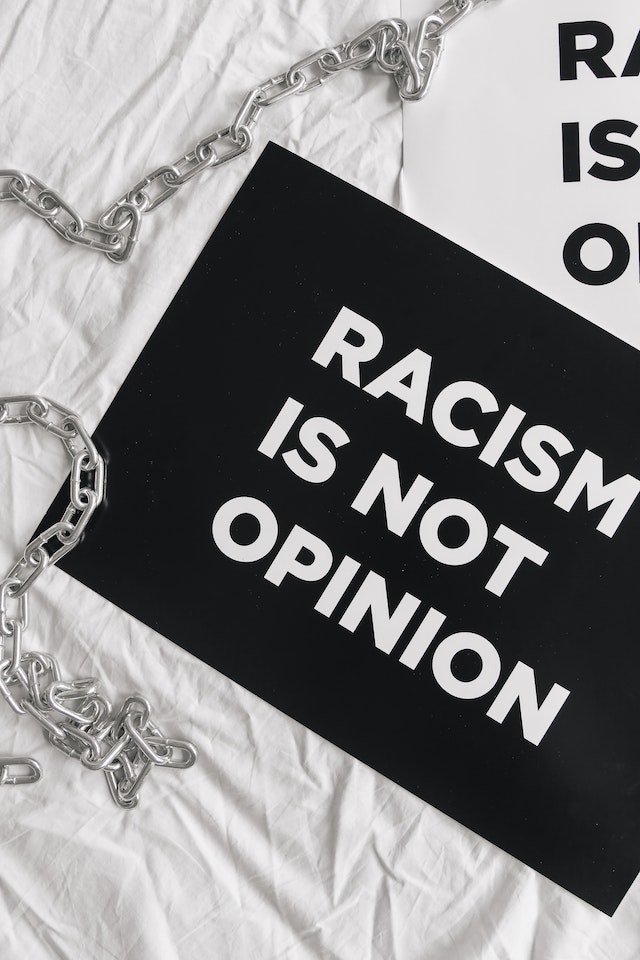
Ensuring equality in the hiring process is not simply an ethical responsibility; it is a legal one. For both employers and job seekers alike, this article demystifies Pittsburgh’s local and state legal frameworks. Friendly as a practical guide yet comprehensive enough to thwart potential legal pitfalls, it ensures that you are well-equipped to handle this critical aspect of business administration or job searching. It’s high time everyone understood the legal terrain of employment discrimination; your future career or business might just depend on it. Dive right into ensuring legality and fairness in your hiring methods today!
Overview of Discrimination Laws in Hiring
In the realm of employment, discrimination has no place, and it is vital to understand the laws that protect individuals from unfair treatment during the hiring process. Discrimination laws aim to ensure equal opportunities for all candidates based on their qualifications and abilities rather than their protected characteristics such as race, gender, age, religion, disability, or national origin. Understanding these laws provides job seekers with greater awareness of their legal rights and helps employers create a fair and inclusive hiring process.
One significant piece of legislation that safeguards against various forms of discrimination is Title VII of the Civil Rights Act of 1964. This federal law applies to employers with 15 or more employees and prohibits discrimination based on race, color, religion, sex, or national origin. It covers all stages of the employment process, including hiring practices. Additionally, the Age Discrimination in Employment Act (ADEA) protects individuals aged 40 years and older from age-based discrimination during the hiring process by employers with 20 or more employees.
Alongside federal laws, Pennsylvania state laws play a crucial role in combating discrimination in hiring.
Key Elements of Discrimination
Discrimination can manifest in various ways during the hiring process. To better grasp these nuances and identify potential instances of discrimination, it’s essential to be familiar with the key elements involved:
- Disparate Treatment: This occurs when an employer treats an individual differently based on their protected characteristic(s). For example, if a job applicant is not considered for a position due to their gender or religious beliefs, other candidates with similar qualifications are given preference.
- Disparate Impact: In situations where an employment policy or practice appears neutral on the surface but disproportionately affects specific protected groups, it may be considered disparate impact discrimination. An example could be using height requirements that unfairly exclude certain racial groups.
- Harassment: Harassment can take various forms, such as unwelcome comments, gestures, or actions related to a person’s protected characteristic. In the hiring process, harassment could involve inappropriate interview questions, derogatory remarks, or offensive behavior based on an applicant’s race, gender, or other protected characteristics.
- Retaliation: Retaliation occurs when an employer takes adverse actions against an individual who asserts their rights or participates in a discrimination investigation. This may include refusing to hire someone who has reported discriminatory practices within the company.
By understanding these key elements, job seekers can be better equipped to identify potential instances of discrimination during the hiring process and take appropriate action to protect their rights.
For instance, if a candidate feels that they were not considered for a role due to their age and suspects disparate treatment, they can consult with an experienced employment discrimination attorney who can assess their situation and provide guidance on filing a complaint or pursuing legal action if necessary.
Now that we have explored the overview of discrimination laws in hiring and the key elements involved, let’s further examine federal and state anti-discrimination laws specifically applicable in Pittsburgh.
Federal and State Anti-Discrimination Laws in Pittsburgh
In the United States, both federal and state laws are in place to protect individuals from discrimination in various aspects of life, including the hiring process. In Pittsburgh, these laws play a vital role in ensuring equal opportunities for all candidates. Let’s take a closer look at the key elements of these anti-discrimination laws.
At the federal level, the main legislation that governs discrimination in employment is Title VII of the Civil Rights Act of 1964. This law prohibits employers from discriminating against employees or job applicants based on their race, color, religion, sex, or national origin. Additionally, Title VII also extends protections against sexual harassment and pregnancy discrimination.
For instance, if an employer refuses to hire a qualified candidate simply because of their gender or religious beliefs, they would be in violation of Title VII.
Another important piece of legislation is the Age Discrimination in Employment Act (ADEA), which protects individuals who are 40 years of age or older from age-based discrimination during the hiring process. Employers are prohibited from making hiring decisions based on age, such as rejecting older applicants in favor of younger ones.
These federal laws create a strong foundation for non-discriminatory practices in hiring. However, it’s important to note that additional protections may exist at the state level.
Pennsylvania also has its own anti-discrimination laws that closely mirror federal protections. The Pennsylvania Human Relations Act (PHRA) prohibits discrimination based on race, color, religion, ancestry, age (40 and above), sex, national origin, disability, or familial status. In Pittsburgh specifically, the City Code adds further safeguards by explicitly prohibiting discrimination based on sexual orientation and gender identity.
It’s worth noting that while federal laws set a minimum standard for protection against discrimination, states like Pennsylvania are able to provide additional safeguards and extend protections to other groups.
Related Article: Discrimination Lawyer Pittsburgh Your Legal Advocate
Protections for Age, Sex, and Ethnic Groups
When it comes to the hiring process in Pittsburgh, age, sex, and ethnic groups are key areas where discrimination can unfortunately occur. To combat this issue and promote equality, federal and state laws provide specific protections for these groups.
Age discrimination is addressed by the Age Discrimination in Employment Act (ADEA) at the federal level. This law prohibits employers from discriminating against individuals who are 40 years of age or older during the hiring process. It ensures that candidates are evaluated based on their qualifications rather than their age.
For instance, if an employer refuses to hire an older candidate solely because of their age, they would be violating the ADEA.
Sex-based discrimination is protected by Title VII of the Civil Rights Act of 1964. This legislation makes it illegal for employers to discriminate against individuals based on their biological sex or gender identity. It ensures that both male and female candidates are given equal consideration for employment opportunities.
Ethnic groups are safeguarded by both federal and state anti-discrimination laws. Title VII prohibits employers from discriminating against individuals based on their race or national origin. Additionally, the Pennsylvania Human Relations Act (PHRA) extends protections to include color, ancestry, and national origin at the state level.
By implementing these protections for age, sex, and ethnic groups in hiring practices, Pittsburgh aims to create a fair and equal environment where candidates are evaluated solely on their qualifications and abilities rather than personal characteristics.
Related Article: Age Discrimination Laws In Pittsburgh And Your Rights
Understanding the Equality Act in Pittsburgh Hiring
In the modern workplace, hiring discrimination remains a significant concern, and it’s important to understand the laws in place to combat such practices. In Pittsburgh, the primary legislation that addresses hiring discrimination is the Equality Act. This act prohibits employers from engaging in discriminatory practices based on protected characteristics such as race, gender, age, disability, religion, and national origin.
The Equality Act ensures that all individuals have an equal opportunity to pursue employment opportunities based solely on their qualifications and abilities. It promotes diversity and inclusivity within the workforce by preventing prejudiced decision-making in the hiring process.
It’s important for job seekers to be aware of their rights under the Equality Act when going through the hiring process. By understanding the law, individuals can identify potential red flags and take appropriate action if they believe they have been subjected to discriminatory treatment.
Now that we have explored the significance of the Equality Act in Pittsburgh hiring practices, let’s delve into what legal recourse is available for victims of hiring discrimination.
Legal Recourse for Victims of Hiring Discrimination
If an individual believes they have been a victim of hiring discrimination in Pittsburgh, there are legal avenues they can pursue to seek justice. The first step is to gather evidence that supports their claim. This may include written communication, witness statements, or any other documentation that substantiates their belief in discriminatory treatment during the hiring process.
For instance, imagine an applicant who was denied a job opportunity despite having superior qualifications compared to other candidates purely on the basis of their disability. If they can provide evidence that clearly demonstrates this discriminatory treatment, they may have a strong case against the employer.
Once the evidence is collected, the individual can file a complaint with the appropriate enforcement agency, such as the Equal Employment Opportunity Commission (EEOC) or the Pennsylvania Human Relations Commission (PHRC). These agencies will investigate the claim and determine whether there is sufficient evidence to support a charge of hiring discrimination.
If the agency finds in favor of the individual, they may have several options for legal recourse. This may include mediation, where both parties attempt to reach a resolution outside of court, or proceeding with a lawsuit against the employer. It’s crucial to consult with an experienced employment attorney who can guide individuals through this complex process and ensure their rights are protected.
While pursuing legal recourse is essential for victims of hiring discrimination, it’s important to be aware of potential pitfalls that should be avoided when filing a lawsuit.
Pitfalls to Avoid When Filing a Lawsuit
When it comes to filing a lawsuit for discrimination in the hiring process, it’s important to proceed with caution and avoid potential pitfalls that could undermine your case. Here are some common pitfalls to be aware of:
- Lack of Documentation: One of the most crucial aspects of any discrimination case is evidence. Without proper documentation to support your claims, it can be challenging to prove that discriminatory practices occurred. Keep detailed records of any incidents, including dates, times, locations, names of individuals involved, and specific details of the discriminatory behavior.
- Missing Statutory Deadlines: Discrimination claims have specific deadlines known as statutes of limitations. These deadlines vary depending on the type of discrimination and jurisdiction in which the offense occurred. Failing to file within the designated time frame can result in your case being dismissed. It’s essential to understand and adhere to these deadlines, seeking legal advice promptly to ensure you don’t miss your opportunity for justice.
- Failure to Exhaust Administrative Remedies: Before pursuing a lawsuit, it’s often necessary to exhaust administrative remedies by filing a complaint with relevant government agencies such as the Equal Employment Opportunity Commission (EEOC) or the Pennsylvania Human Relations Commission (PHRC). These agencies enforce anti-discrimination laws at the federal and state levels, respectively. Failing to file a complaint or not completing the required administrative process can hinder your ability to bring a lawsuit.
- Inadequate Evidence: While documenting incidents is crucial, it’s equally important to gather sufficient evidence that demonstrates a pattern of discrimination or supports your claim. This may include witness testimony, emails or written communication, performance evaluations, employment policies, or other relevant documents. The strength of your evidence will significantly impact the success of your case.
- Ignoring Retaliation: Retaliation is illegal under anti-discrimination laws and occurs when an employer takes adverse action against an employee for reporting discrimination or participating in related investigations. It’s important to understand that if you experience retaliation, you may have additional legal rights and potential claims to pursue. Make sure to document any instances of retaliation and consult with an attorney to determine the best course of action.
- Lack of Legal Representation: Navigating the complexities of discrimination law can be challenging without proper legal guidance. Hiring an experienced employment discrimination attorney who specializes in these cases can significantly increase your chances of success. They will ensure that your rights are protected, help build a strong case, and provide valuable advice throughout the process.
Avoiding these pitfalls is crucial when filing a lawsuit for discrimination in the hiring process in Pittsburgh. By being aware of these challenges and seeking professional assistance, you can navigate the legal landscape more effectively and work towards achieving justice.
Combat Unfair Hiring Practices: Trust J.P. Ward & Associates
In the realm of employment, fair hiring practices are crucial for creating a workplace that values diversity and ensures equal opportunities. Discrimination during the hiring process can be a significant barrier, hindering qualified individuals from advancing in their careers.
At J.P. Ward & Associates, we stand as your legal ally, dedicated to combatting unfair hiring practices. Our experienced team understands the complexities of employment discrimination cases, providing you with the advocacy and support needed to navigate these challenges.
Trust J.P. Ward & Associates to fight for your right to a fair and unbiased hiring process. Ready to take the first step toward justice? Contact us today.