
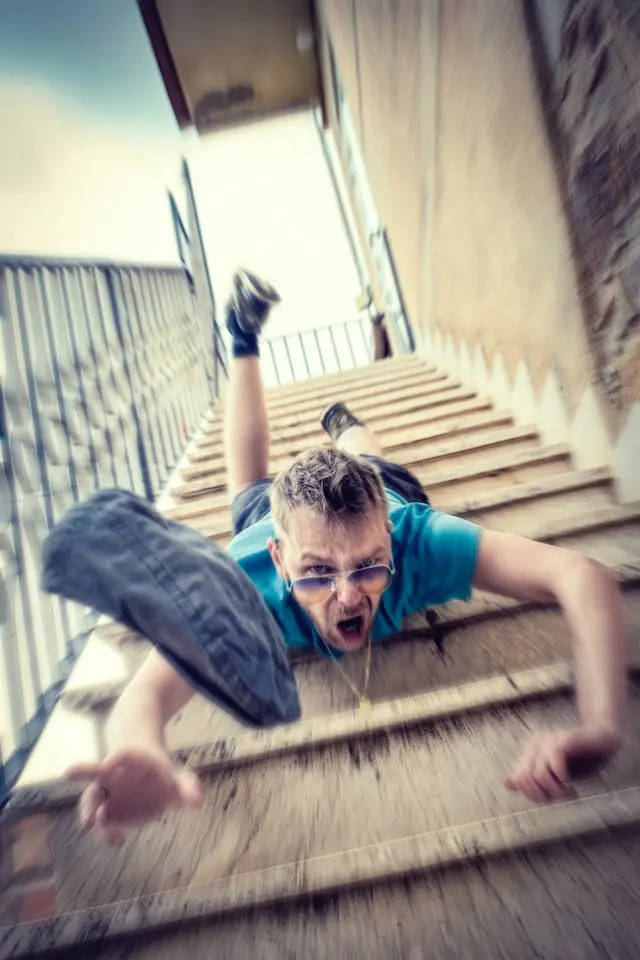
Slip and fall accidents happen more often than most people realize, and their consequences can be serious. Whether it’s a quick spill in a store or a cracked sidewalk outside your home, these everyday hazards quietly create risks that affect millions every year. Understanding what causes these falls is the first step toward staying safe, and in this article, we’ll explore the most common dangers and simple ways to prevent them before someone gets hurt.
Common causes of slip and fall accidents include wet or slippery surfaces, such as spills or recently mopped floors, uneven flooring or sidewalks like cracked pavement, poor lighting in stairwells and walkways, hazardous weather conditions, including ice and snow, and cluttered or obstructed walkways. Property owners have a legal responsibility to address these hazards to prevent accidents.
Leading Causes of Slip and Fall Accidents
Wet or slippery surfaces remain the leading culprit behind the majority of slip and fall incidents. Imagine walking into a store after a rainstorm, your shoes still damp, only to find the floors freshly mopped without any warning signs visible. These seemingly small oversights turn ordinary spaces into hazards in seconds. The combination of moisture from spills, leaks, or weather elements like snow and ice creates an invisible trap waiting for the unsuspecting footfall. That is why businesses, especially those with heavy foot traffic such as grocery stores and malls, must prioritize quick spill cleanup paired with clear wet floor signage. This simple practice significantly reduces accidents and the costly consequences that follow.
Beyond surface moisture, the very foundation we walk on also shapes our safety.
Uneven flooring and cracked sidewalks are more than just eyesores; they are serious trip hazards that contribute to nearly a quarter of all slip and fall incidents. Think about the frustration of navigating loose tiles or worn carpets where edges curl unexpectedly underfoot. For older adults, this can transform a minor stumble into a severe injury like a hip fracture. Property owners carry a responsibility here, not only ethically but also legally, to regularly inspect their premises, repair damages promptly, and install warnings where immediate fixes aren’t possible. Failing to do so increases risks for visitors and often leads to legal liability when accidents occur. Maintaining even surfaces isn’t merely about aesthetics but about safeguarding lives.
Yet even perfectly maintained floors can become dangerous without adequate lighting.
Poor lighting conditions take away a person’s ability to see hazards clearly, dark stairwells, dim parking areas, and shadowy walkways all raise the chance of missteps. Proper illumination is an often-overlooked safety measure that pays dividends in accident prevention. Property managers should routinely check lighting fixtures, replace bulbs promptly, and consider installing motion-activated lights in critical areas. This way, residents or customers aren’t left guessing what lies ahead on their path. Good lighting doesn’t just brighten spaces; it illuminates safer futures for everyone navigating them.
Weather adds another layer of complexity to keeping walking surfaces safe year-round.
Ice patches in winter or sudden rainfall during spring transform sidewalks into slipping zones almost overnight. Owners need proactive measures like timely snow shoveling, application of salt or sand to melt ice, and clear communication advising visitors on footwear suitability during adverse conditions. These steps reduce risk significantly because they tackle hazards before anyone falls victim to them.
Proper upkeep of walkways, dry floors, even surfaces, good lighting, and weather readiness is not just common sense; it’s essential in preventing injuries that affect millions every year.
Here’s a quick reference summarizing key causes and practical safety tips:
| Cause | Preventive Strategy |
| Wet/slippery surfaces | Immediate clean-up + wet floor signage |
| Uneven flooring/sidewalk cracks | Regular repairs + warning signs |
| Poor lighting | Routine inspection + timely bulb replacement |
| Weather hazards (ice, snow) | Snow removal + salt/sand use + footwear advisories |
| Cluttered walkways | Keep pathways clear to avoid obstacles |
Managing these factors builds safer environments that reduce accidents dramatically, and also protects property owners from legal headaches down the road.
Whether you’re a homeowner or business operator, staying vigilant about these common causes is the best defense against slip and fall injuries, because prevention always beats cure.
Understanding these everyday dangers prepares us to examine how public spaces often multiply such risks through neglect or poor design choices.
Hazardous Conditions in Public Places
Public places like malls, grocery stores, and restaurants constantly bustle with people moving from one spot to another. This immense flow of foot traffic puts these environments at particular risk of having unsafe conditions lurking beneath the surface.
Think about grocery aisles where spills happen in an instant or restaurant floors where loose rugs might catch someone off guard. These everyday oversights can quickly escalate into injury-causing accidents. According to the Centers for Disease Control and Prevention, roughly 1 million Americans experience slip and fall injuries annually in stores alone, a staggering figure that highlights just how common these risks are.
Beyond spills and clutter, weather-related problems drastically increase hazards in public spaces.
When winter blankets the ground with ice and snow, outdoor walkways and entryways become treacherous sliding rinks. Property owners carry the responsibility to remove these frozen threats promptly, but all too often, delays occur. For example, an Ohio shopping mall faced lawsuits after neglecting to clear snow, resulting in multiple serious injuries on its premises. This case underscores how vital it is for property managers to have regular maintenance routines aimed at identifying and addressing weather-induced dangers before they cause harm.
Preventing slip and fall accidents requires more than reactive cleanup; it demands a proactive strategy rooted in consistent vigilance.
– Conduct frequent inspections throughout the day to catch spills, leaks, or debris immediately.
– Enforce prompt cleanup procedures so any hazard is addressed before anyone slips.
– Perform regular safety audits to ensure all protocols, signage, and equipment comply with industry standards and legal regulations.
By integrating these steps into daily operations, businesses create safer environments, not only protecting customers from harm but also shielding themselves from costly litigation. It’s a chain reaction; the cleaner and more attentive a place is to potential hazards, the less likely it is that slip and fall accidents will occur.
Understanding that safety requires ongoing attention rather than occasional fixes leads us into examining how workplaces can maintain safer environments for employees through effective guidelines and practices.
Workplace Safety Guidelines
In any workplace, creating a culture of safety begins with a commitment not only by leadership but also by every single employee. One vital guideline is the proactive identification and elimination of hazards, whether that’s a wet floor, an uneven surface, cluttered walkways, or poor lighting. These aren’t just minor annoyances; they are serious risk factors that OSHA specifically addresses through its regulations. Employers who prioritize regular inspections and swift hazard correction often see far fewer injuries and costly downtime.
Moreover, OSHA’s updated standards in 2026 emphasize the proper use of personal protective equipment (PPE), such as non-slip footwear and gloves designed to improve grip. It might surprise some, but the right PPE can drastically reduce slip and fall incidents, even in environments where hazards are hard to avoid. For example, construction workers walking over uneven terrain benefit immensely from shoes engineered for traction and stability. Ensuring employees have access to quality PPE and training them on its correct use, is foundational to preventing accidents before they happen.
To maintain compliance with OSHA’s intensified enforcement, employers should conduct thorough gap analyses of their current safety programs, focusing specifically on slip, trip, and fall prevention. Updating protocols ahead of heightened inspections not only avoids penalties, which can reach upwards of $16,550 per serious violation, but also cultivates a safer workplace environment for everyone.
A lesser-known yet critical component involves careful recordkeeping. Keeping accurate and comprehensive documentation of all incidents, near misses, and hazard reports provides valuable insights into patterns that might otherwise go unnoticed. This data-driven approach allows companies to be proactive rather than reactive, identifying trends before they result in injury.
Safe workplaces also require these ongoing commitments:
- Frequent walkthroughs to spot wear-and-tear on floors or missing safety signs
- Housekeeping standards that prevent clutter from becoming tripping hazards
- Employee engagement programs encourage workers to speak up about unsafe conditions without fear of reprisal
- Thoughtful scheduling to reduce fatigue, a recognized contributor to slips and falls
When these elements come together with consistent effort, they create a protective framework that not only reduces slip and fall risks but also builds a workplace culture rooted in responsibility and care. Moving forward, we will examine how targeted strategies bring these principles into effective daily practice.
Effective Prevention Strategies
Prevention is the best cure when it comes to slip and fall accidents, so adopting comprehensive safety measures is not just advisable, it’s essential. One often overlooked step is installing high-traction flooring in areas most vulnerable to spills, like entryways, kitchens, or bathrooms.
Floors with slip-resistant surfaces provide a reliable grip underfoot even when wet, drastically lowering the chance of falls before they begin. But flooring alone doesn’t create a safe environment; clear corridors free from clutter and obstacles are equally crucial.
Imagine rushing down a hallway only to trip on an unexpected box or loose cable; such simple, avoidable hazards can result in serious injuries. Putting systems in place for daily tidying and adherence to organizational protocols reinforces overall safety.
Another cornerstone of effective slip and fall prevention is proper lighting. Poorly lit spaces distort perception of depth and surface conditions, leaving people vulnerable to trips.
Maintenance of lighting fixtures isn’t just about replacing bulbs but also ensuring proper brightness and eliminating dark corners where hazards could hide. For example, staircases and hallways particularly benefit from motion-activated lights that brighten automatically as someone approaches, enhancing both visibility and security without wasting energy.
Regular Inspections
The backbone of any proactive safety program lies in consistent and documented inspections. It’s not enough to simply glance around; businesses must establish formal inspection routines that pinpoint risks before they escalate.
Documenting these reviews provides accountability for property managers and builds a trail proving diligence in risk management. This record-keeping is invaluable if an incident arises since it demonstrates a clear commitment to safety practices.
Take Marriott Hotels as a case study: by instituting monthly comprehensive safety audits focused on slip and fall risks, ranging from floor conditions to signage, they reduced accident rates noticeably within their properties.
Their approach includes training staff on how to conduct inspections effectively and empowering them to report hazards immediately rather than waiting for supervision. This early detection allows for rapid fixes like drying spills faster, repositioning rugs safely, or repairing uneven tiles.
Prompt hazard response doesn’t merely protect employees or customers; it also conserves resources by preventing costly injury claims, repairs, and downtime. Therefore, integrating regular maintenance with vigilant observation forms the foundation of a sustainable prevention strategy that any organization should adopt.
Beyond structural improvements and inspections, educating everyone on-site about common risks and encouraging a culture of safety strengthen these measures. Employees who understand why wearing proper footwear, like athletic shoes with firm soles rather than slippery slippers, is vital are more likely to act cautiously.
Moreover, promoting physical wellness through balance exercises such as tai chi or yoga helps individuals maintain stability naturally, further mitigating falls.
Finally, embracing technology like camera monitoring with two-way communication can enhance supervision for those at higher risk of falling, such as elderly or cognitively impaired persons in workplaces or care facilities.
These systems allow immediate detection of falls and swift intervention, potentially reducing injury severity.
Weaving these layered strategies together, environmental tweaks, ongoing inspections, education, and technological aids create a safer space built on prevention as a priority, protecting lives while safeguarding your business interests.
Understanding how to avoid slips and falls sets the stage for knowing what actions to take when accidents still happen. The next section will guide you through critical steps to take right after an incident occurs, ensuring your health and rights are properly protected.
Immediate Steps Post-Accident
The very first thing after a slip and fall is to get medical help immediately. It might be tempting to brush off the accident if you don’t feel pain right away, but injuries like concussions, internal bleeding, or ligament tears can develop symptoms hours or even days later.
For example, one Pittsburgh resident who slipped at a local mall thought she was fine until dizziness set in hours after the fall, getting prompt medical care not only caught hidden issues early but also sped her recovery.
This step isn’t just for your health; it creates an official record that you were injured at that time and place, vital documentation if you pursue compensation later.
Once you’ve addressed your health, the next crucial task is capturing and preserving evidence, which often proves decisive in these cases.
Reporting and Documenting
Reporting the incident to the property owner or manager is more than a courtesy, it’s a key legal step. Make sure your report is officially logged. Always ask for a copy of any written incident report or get contact information from those responsible. This formal acknowledgment ties the accident to the property in question.
Equally important is documenting the accident scene yourself. Use your smartphone or camera to snap clear photos showing exactly what caused your fall, whether it’s a wet floor without warning signs, cracked pavement, or improperly maintained stairs.
These images become powerful evidence in building your claim. Alongside this, gather witness names and contact details while memories are fresh. Witnesses can provide impartial accounts verifying the conditions leading up to your fall.
With thorough medical care and detailed documentation completed, understanding your legal options becomes the next step toward securing rightful compensation.
Legal Advice for Victims
When it comes to slip and fall accidents, consulting a lawyer who specializes in premises liability at JP Ward & Associates is one of the smartest moves you can make. We don’t just help you navigate a maze of paperwork; we become your advocates, fighting to ensure your injuries are properly documented and every related cost is accounted for. This includes medical bills, lost wages, ongoing therapy expenses, and even intangible damages like pain and suffering.
Because slip and fall cases often hinge on proving negligence, such as identifying hazardous conditions like wet floors or uneven surfaces, having experts who can methodically collect evidence is indispensable. Their experience helps build a strong case that might otherwise be overlooked by insurance companies aiming to minimize payouts.
Navigating insurance claims alone can be daunting. Insurers frequently downplay injuries or blame victims to reduce their liabilities. However, knowledgeable lawyers understand these tactics and can respond effectively. They negotiate with insurers from a position of strength, ensuring that you receive fair treatment rather than settling for less than you deserve.
Moreover, timely legal action is essential since states have limits on how long after an accident you can file a claim. Missing these deadlines might cost you the opportunity for justice altogether. Your lawyer will handle these timelines meticulously so nothing falls through the cracks.
Beyond compensation, engaging attorneys experienced in slip and fall law provides peace of mind during a stressful time. You won’t have to worry about legal technicalities or constant back-and-forth with insurers; you have someone in your corner dedicated to protecting your interests.
Ultimately, consulting a specialized slip and fall lawyer transforms what feels like an overwhelming challenge into a manageable process with clear steps forward. It’s not just about winning money; it’s about restoring stability to your life after injury.
With this support, victims can focus on recovery while knowing their legal rights are being zealously defended every step of the way.
Slip and fall accidents can cause serious injuries and long-term consequences, especially when they result from unsafe property conditions. If you or a loved one was injured due to negligence, speaking with an experienced personal injury lawyer in Pittsburgh, PA can make all the difference. At J.P. Ward & Associates, our personal injury attorneys help victims pursue compensation for medical bills, lost wages, and pain and suffering caused by slip and fall accidents. Don’t navigate this process alone. Contact J.P. Ward & Associates today or call (412) 426-4878 to schedule a free initial consultation and learn how we can protect your rights.